
Adapt to Workflow Changes
Modify routes and assignments without requiring major infrastructure changes.

Autonomous systems designed to move materials and goods efficiently within industrial and logistics environments.
Autonomous systems designed to move materials and goods efficiently within industrial and logistics environments.

System Integration
Connect with warehouse, production and fleet-management systems.
Flexible Routing
Automatically choose alternative paths when routes become unavailable.
Obstacle Avoidance
Detect people, objects and unexpected changes while travelling safely.
Unlike traditional systems, Autonomous Mobile Robots (AMRs) do not require fixed tracks, magnetic strips or dedicated infrastructure.
Using sensors, mapping and intelligent navigation, AMRs can avoid obstacles, adapt to layout changes and operate safely alongside people and equipment.


Autonomous Navigation
Create maps, calculate routes and move independently through dynamic environments.

01_hero_warehouse.png
WHAT IS AN AUTONOMOUS MOBILE ROBOT?
INTELLIGENT MOVEMENT WITHOUT FIXED ROUTES
KEY CAPABILITIES
WHAT AMRs CAN DO?

KEY CAPABILITIES
WHAT AMRs CAN DO?
WHAT IS AN AUTONOMOUS MOBILE ROBOT?
INTELLIGENT MOVEMENT WITHOUT FIXED ROUTES
Unlike traditional systems, Autonomous Mobile Robots (AMRs) do not require fixed tracks, magnetic strips or dedicated infrastructure.
Using sensors, mapping and intelligent navigation, AMRs can avoid obstacles, adapt to layout changes and operate safely alongside people and equipment.
KEY CAPABILITIES
WHAT AMRs CAN DO?
WHAT IS AN AUTONOMOUS MOBILE ROBOT?
INTELLIGENT MOVEMENT WITHOUT FIXED ROUTES
Unlike traditional systems, Autonomous Mobile Robots (AMRs) do not require fixed tracks, magnetic strips or dedicated infrastructure.
Using sensors, mapping and intelligent navigation, AMRs can avoid obstacles, adapt to layout changes and operate safely alongside people and equipment.
KEY CAPABILITIES
WHAT AMRs CAN DO?
WHAT IS AN AUTONOMOUS MOBILE ROBOT?
INTELLIGENT MOVEMENT WITHOUT FIXED ROUTES
Unlike traditional systems, Autonomous Mobile Robots (AMRs) do not require fixed tracks, magnetic strips or dedicated infrastructure.
Using sensors, mapping and intelligent navigation, AMRs can avoid obstacles, adapt to layout changes and operate safely alongside people and equipment.


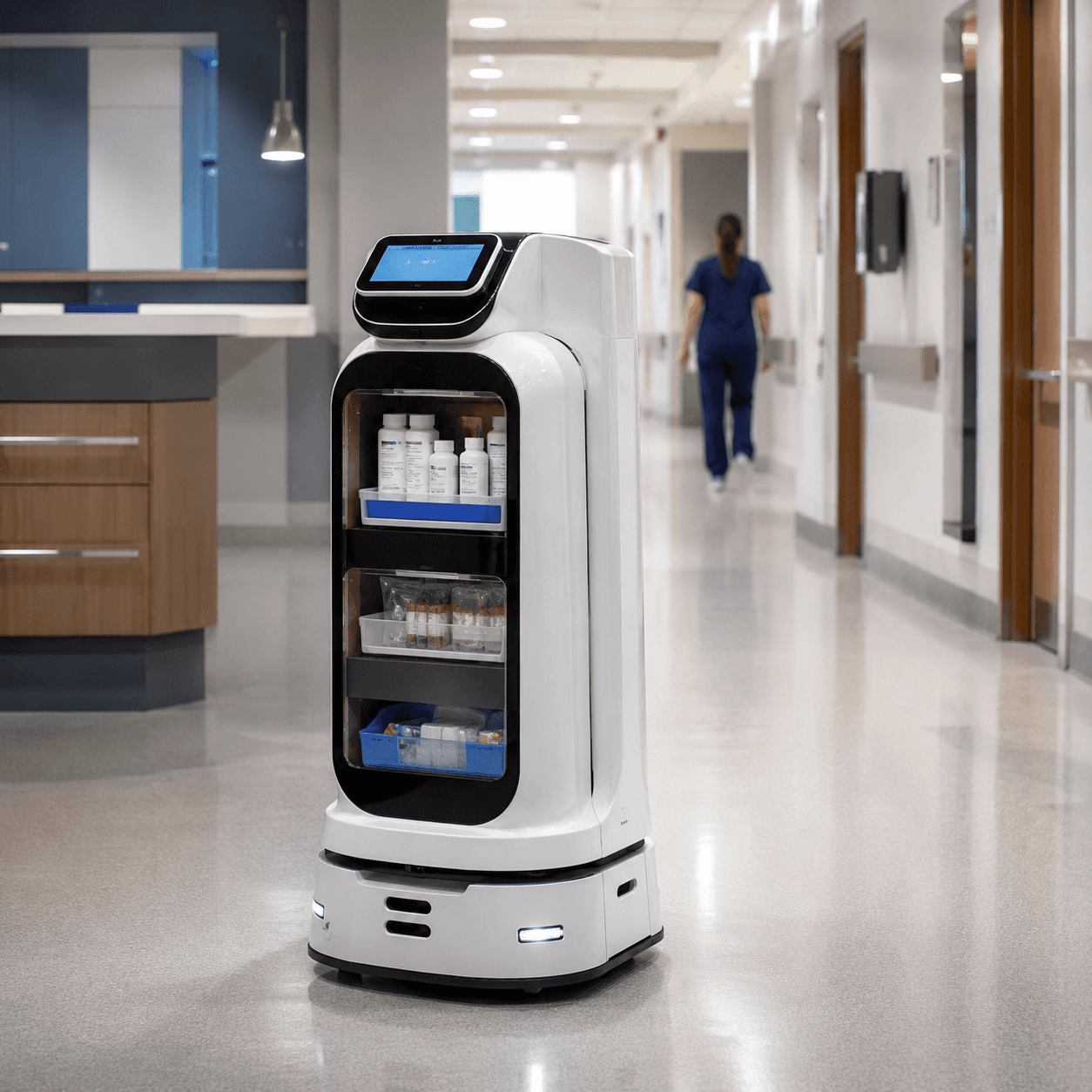
Reduce repetitive logistical work and allow healthcare staff to focus on patient-related activities.
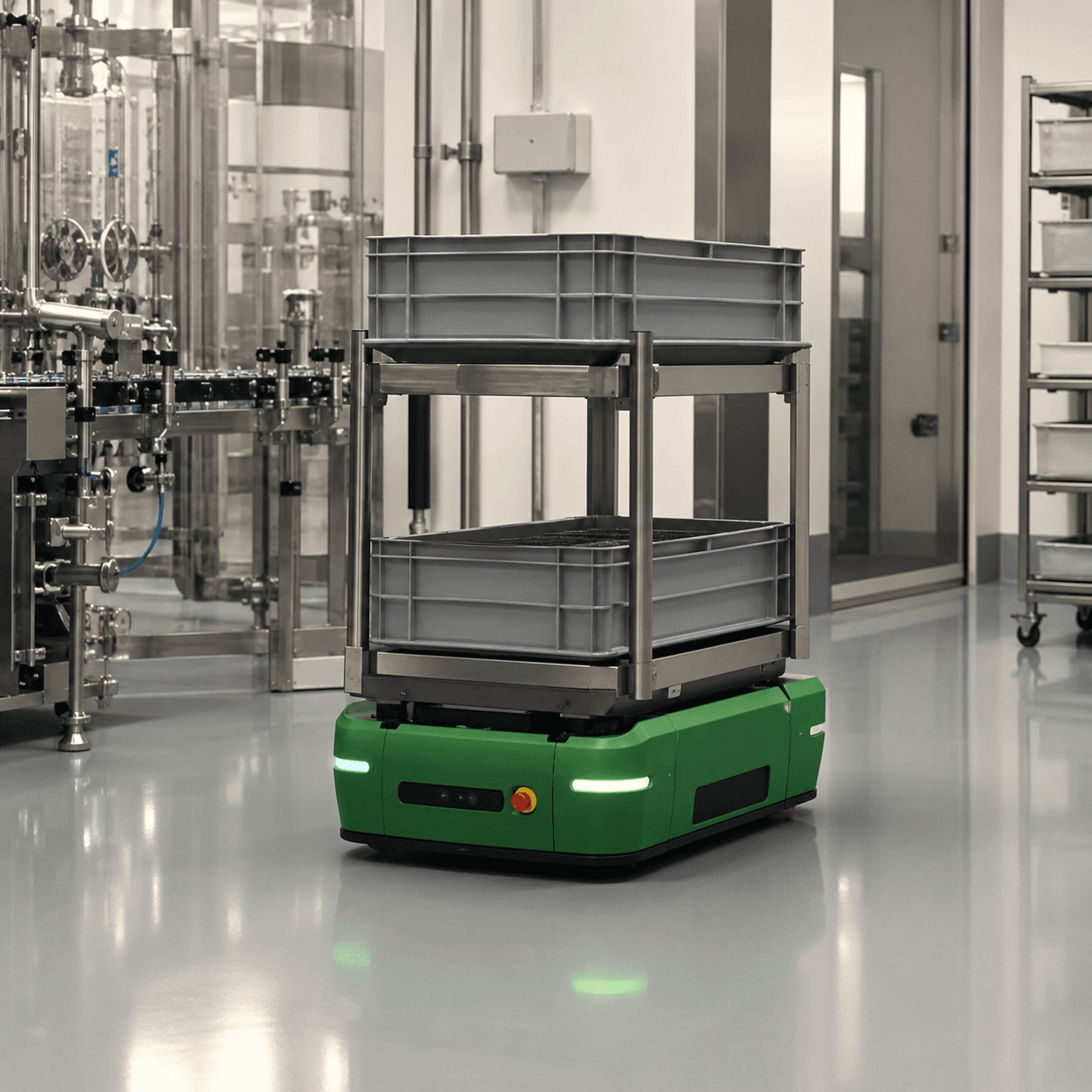

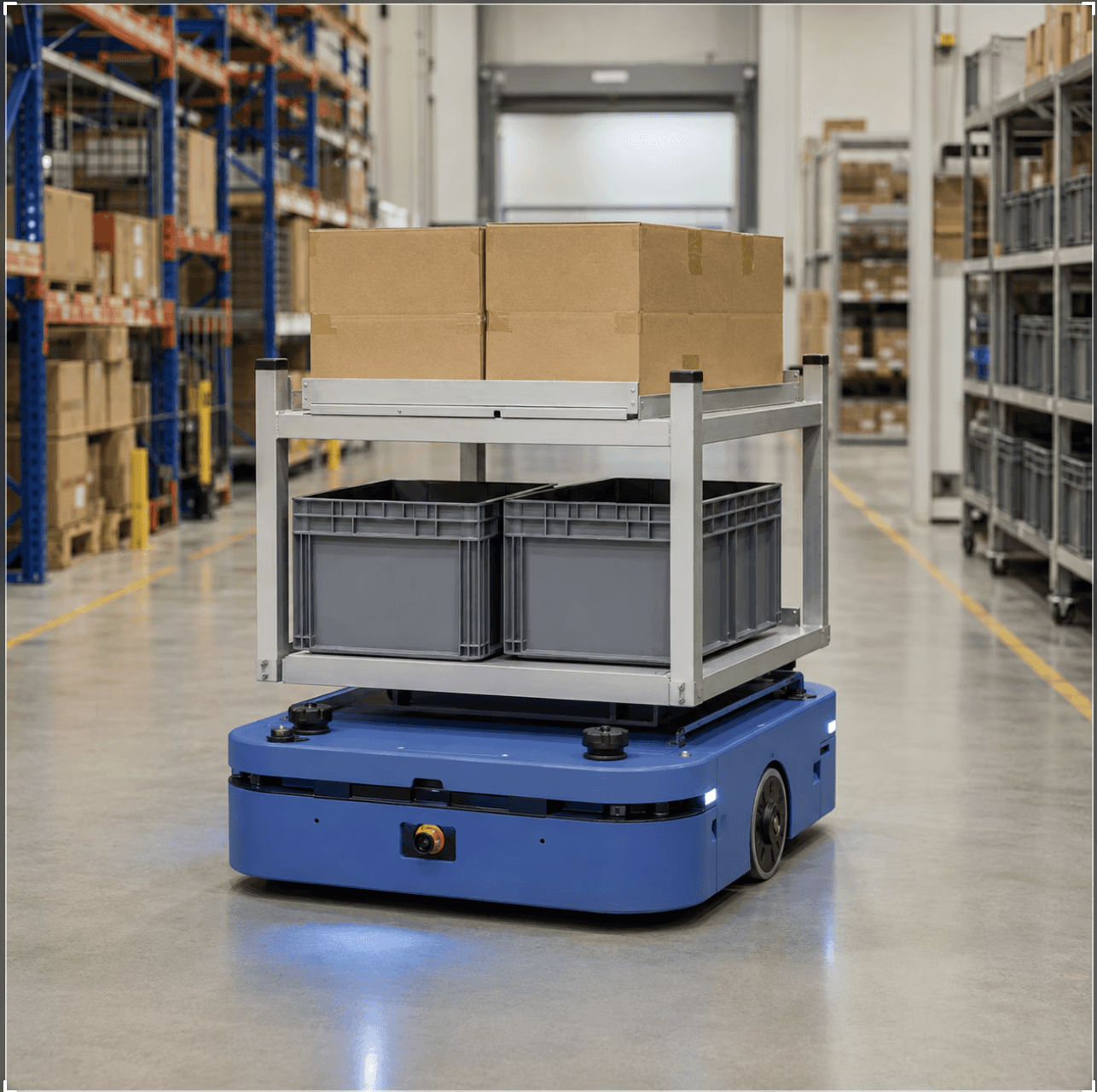


Modify routes and assignments without requiring major infrastructure changes.


KEY APPLICATIONS
WHERE AMRs CAN CREATE VALUE?
Reduce repetitive logistical work and allow healthcare staff to focus on patient-related activities.


KEY APPLICATIONS
WHERE AMRs CAN CREATE VALUE?

Flexible Deployment
AMRs can be introduced without installing tracks, rails or major fixed infrastructure.

Scalable Operations
Additional robots can be introduced as volumes, facilities or operational requirements grow.
fff
Dynamic Navigation
AMRs can adapt routes when layouts, obstacles or priorities change.

Greater Safety
Robots can reduce repetitive manual transport and help minimise traffic-related risks.
BENEFITS
WHY AMRs?



BENEFITS
WHY QUADRUPED ROBOTS?
Flexible Deployment
AMRs can be introduced without installing tracks, rails or major fixed infrastructure.
Scalable Operations
Additional robots can be introduced as volumes, facilities or operational requirements grow.
Improved Efficiency
Automated transport reduces waiting times and keeps materials moving between operational areas.
Improved Efficiency
Automated transport reduces waiting times and keeps materials moving between operational areas.
Dynamic Navigation
AMRs can adapt routes when layouts, obstacles or priorities change.
Dynamic Navigation
AMRs can adapt routes when layouts, obstacles or priorities change.
Greater Safety
Robots can reduce repetitive manual transport and help minimise traffic-related risks.
Greater Safety
Robots can reduce repetitive manual transport and help minimise traffic-related risks.
Continuous Optimisation
Routes, assignments and fleet performance can be adjusted using operational data.
Continuous Optimisation
Routes, assignments and fleet performance can be adjusted using operational data.
Dynamic Navigation
AMRs can adapt routes when layouts, obstacles or priorities change.
Flexible Deployment
AMRs can be introduced without installing tracks, rails or major fixed infrastructure.
Improved Efficiency
Automated transport reduces waiting times and keeps materials moving between operational areas.
Greater Safety
Robots can reduce repetitive manual transport and help minimise traffic-related risks.
Continuous Optimisation
Routes, assignments and fleet performance can be adjusted using operational data.
BENEFITS
WHY AMRs?
Reduce repetitive logistical work and allow healthcare staff to focus on patient-related activities.
Scalable Operations
Additional robots can be introduced as volumes, facilities or operational requirements grow.